6 min read
Your Cyber Insurance Policy Probably Won't Pay Out. Here's Why.
THE GAP BETWEEN WHEN YOUR POLICY SAYS AND WHAT IT ACTUALLY PAYS IS ALMOST ALWAYS TECHNICAL. It was a Wednesday afternoon in early spring when the...
6 min read
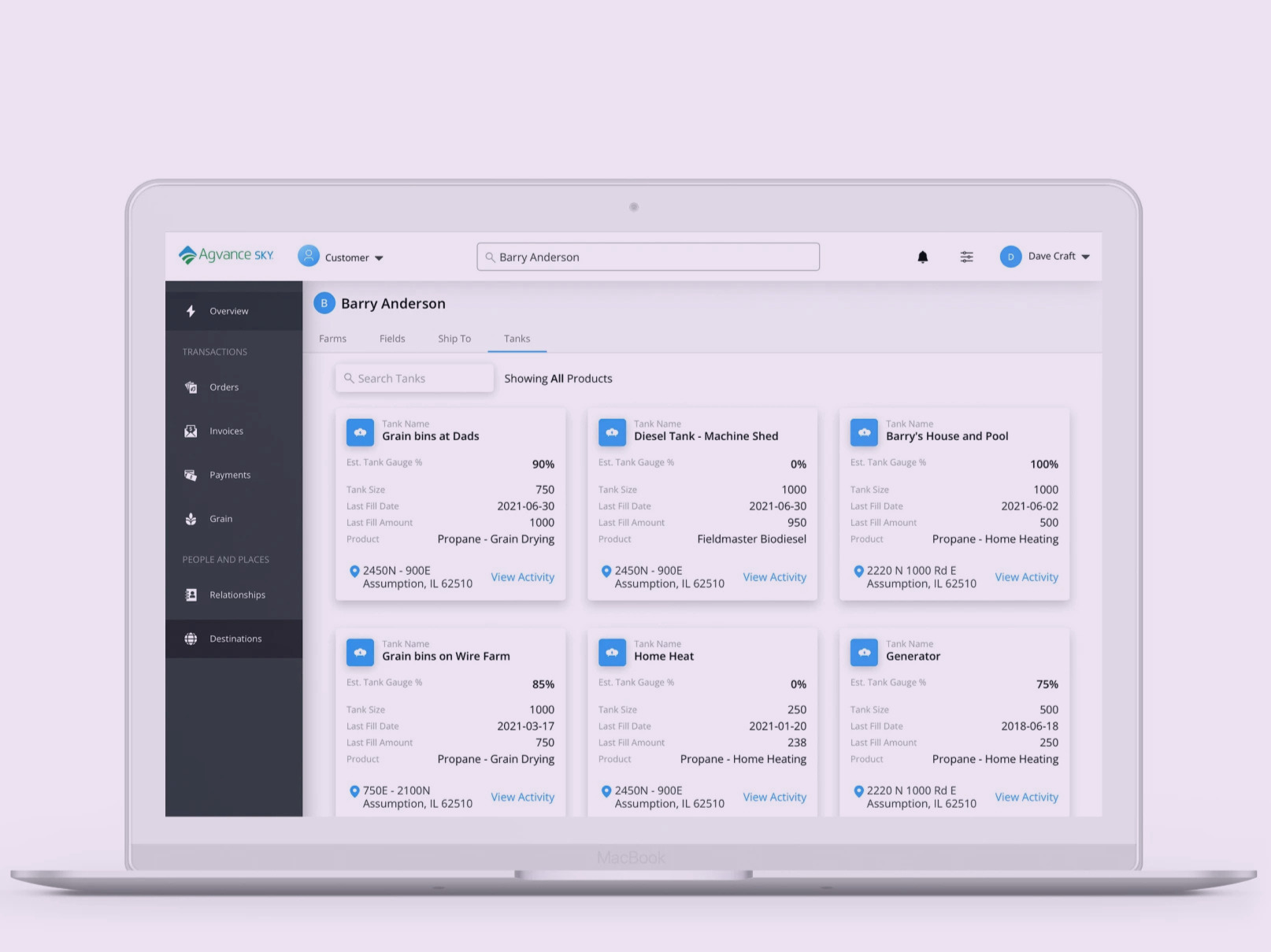
WHAT CO-OPS NEED FROM THEIR TECHNOLOGY (AND THEIR IT PARTNER) BEFORE THE SEASON BEGINS.
It was a Monday morning in early May. The kind of morning that cooperative operations managers know by feel before they even check the weather app. Conditions were right. The window was open. By 7 AM, custom application equipment was supposed to be rolling out of three different locations across the county.
At 6:22 AM, the agronomy software went down.
The operations manager had 60 field prescriptions queued and waiting. Agronomists were already fielding calls from farmer-members who needed confirmation before their own equipment hit the field. The drivers staging the applicators needed updated prescription files pushed to their terminals. Everything depended on one system that had worked fine on Friday and was now throwing an error nobody recognized.
They called their IT provider. The person who answered was helpful and patient. They were also asking questions that made clear they had never seen Agvance before.
By the time the issue was resolved, two hours of a narrow planting window were gone. For the members waiting on those fields, that math was real.
An individual farming operation losing two hours of a planting window is painful. A cooperative losing two hours affects every member waiting on that cooperative's systems, equipment, and people.
That distinction matters more than most IT providers understand.
During planting, a well-run cooperative is running multiple high-pressure operations at once. The agronomy division is pushing custom application prescriptions to equipment in the field while simultaneously fielding calls from members adjusting seeding rates or product selections as conditions change. The seed and retail side is managing last-minute order adjustments, product availability questions, and delivery scheduling. The energy division is moving fuel to equipment across a wide geography. And across all of it, member farmers are logging into portals, checking account balances, and placing orders from cab-mounted tablets with varying degrees of rural connectivity.
None of this runs on one system. And none of it waits for business hours.
Here is something that does not get talked about enough: the riskiest moment in a cooperative's technology calendar is not in the middle of the season. It is the transition into it.
Over the winter months, systems sit. Updates pile up. Software vendors push patches that nobody installs because there is no operational urgency. Configurations drift. An integration that worked in October has a version mismatch in April that nobody noticed because nobody needed it between November and now.
Then the window opens and everything gets switched back on at once.
We see this pattern consistently across cooperative clients. The problems that surface in the first week of planting are almost never new problems. They are problems that were waiting quietly over the winter and revealed themselves the moment the system load came back up.
A cooperative that spent thirty minutes in March running through a pre-season technology checklist could have avoided most of them. The challenge is that March is also when cooperatives are finalizing seed orders, managing pre-pay programs, and preparing for the agronomist rush. Thirty minutes of proactive IT review competes with a very long list of other priorities.
That is where the right IT partner earns their place.
There is a meaningful difference between an IT provider who supports a cooperative and one who supports businesses generally and happens to have a cooperative on their client list.
The systems a cooperative depends on during planting are specialized. Agvance, the most widely used cooperative management platform in the Midwest, handles everything from grain accounting to agronomy ticketing to custom application records. It integrates with precision agriculture platforms, member portals, and equipment terminals in ways that require someone who has seen it before to troubleshoot it quickly. When it breaks during a planting window, you do not have time to explain what it does to the person on the other end of the phone.
We have spent years working inside Agvance alongside our cooperative clients. We have built custom tools that extend what Agvance does natively: dashboards that surface data in ways the platform does not provide out of the box, integrations that connect Agvance to other systems cooperatives rely on, and automated workflows that reduce the manual effort layered on top of it. That depth is the difference between a provider who can look up an error code and one who already knows what that error means for the operation behind it.
Beyond Agvance, cooperatives are managing connectivity across multiple branch locations, many of them in rural areas where WAN reliability is not a given. A branch location that loses connectivity to the cooperative's core systems during planting season is not just inconvenienced. It is effectively cut off from the tools its agronomists need to serve members standing in front of them.
Precision agriculture tools add another layer. Variable rate prescriptions need to flow from the agronomy system to equipment terminals reliably and in the right format. When that data transfer breaks, it is not obvious to a generalist IT provider where in the chain the problem lives. Is it the software? The file format? The connectivity between the cab terminal and the cellular network? The answer matters, and finding it quickly matters more.
Seasonal staff add a third pressure point. Cooperatives often bring on additional team members during planting. Those users need to be provisioned quickly, given appropriate access, and trained on systems they may not have used before. Doing that securely, without cutting corners on access controls, requires a provider who has a clear process for onboarding temporary users and removing them cleanly when the season ends.
At some point in March or early April, before the calendar fills up and the urgency of planting pushes everything else aside, every cooperative operations manager should ask their IT provider one direct question: what have you done to make sure our systems are ready for May?
The answer reveals a lot.
A provider who responds with reassurance but no specifics has probably not done anything deliberate. A provider who can walk through the pre-season steps they completed, the systems they verified, the connectivity they tested at each branch location, and the backup process they confirmed is working, has been treating the cooperative's season like it was their own operational priority.
The before-and-after of that distinction is significant. Not just in whether problems occur, but in how quickly they get resolved when they do.
We work with agricultural cooperatives because we have been working alongside Iowa ag for 45 years. We know what Agvance looks like when it is throwing errors at 6 AM. We know what it means when an agronomist says their prescription is not pushing to the terminal. We know that a planting window in May does not pause for a ticket queue.
We also build inside Agvance. Over the years, working closely with cooperative clients who needed more than the platform provides out of the box, we have developed custom tools that extend its capabilities: integrations that connect it to other systems in the cooperative's technology stack, dashboards that give managers real-time visibility into data that Agvance tracks but does not surface clearly, and automated workflows that take manual steps out of processes the team runs every day. That work comes from listening to what cooperatives actually need, not from assuming that what the platform does natively is enough.
Before planting season, we run through a pre-season readiness process with our cooperative clients. That means verifying software versions and pending updates, testing connectivity at branch locations, confirming that backup and recovery processes are current, reviewing access provisioning for seasonal staff, and making sure that anyone who might need to call us at 6 AM on a Saturday has a direct path to someone who already knows their environment.
During the season, we are reachable. Not a ticketing queue. Not a national call center that will ask what Agvance is. Reachable.
That is not a dramatic claim. It is just what the job requires when your clients are cooperatives and the calendar is May.
One more thing worth naming directly, because it tends to get overlooked when operational urgency takes over.
Planting season is also a high-risk window for social engineering attacks targeting cooperatives. Large transactions, compressed decision timelines, and staff working across multiple locations under pressure create conditions that phishing attempts and business email compromise are specifically designed to exploit. An email that appears to come from a seed vendor requesting a payment adjustment, arriving during a week when the accounts payable team is managing dozens of similar transactions, is harder to scrutinize carefully when everyone is already stretched.
A cooperative that has invested in security awareness training and has clear protocols for verifying unusual financial requests is meaningfully more protected than one that relies on people to catch it on instinct. That investment is worth making before the season puts everyone under pressure, not after.
If you manage IT operations for an agricultural cooperative and planting season is underway or approaching, the conversation worth having is not about whether your systems are working today. It is about whether they are ready for the moment they are needed most, and whether the partner behind them understands what that moment means.
We are happy to talk through where you are and what pre-season readiness looks like for your specific environment. No pressure. Just a conversation with people who have been doing this work in Iowa ag for a long time and take it seriously.


6 min read
THE GAP BETWEEN WHEN YOUR POLICY SAYS AND WHAT IT ACTUALLY PAYS IS ALMOST ALWAYS TECHNICAL. It was a Wednesday afternoon in early spring when the...

2 min read
FROM SPREADSHEETS TO CONNECTED, AUTOMATED WORKFLOWS Walk through any plant floor, grain elevator, or busy front office in the Midwest, and you’ll...

3 min read
COPILOT WILL SHOW YOUR TEAM EVERYTHING THEY HAVE ACCESS TO. THE QUESTION IS WHETHER YOU KNOW WHAT THAT IS. TL;DR Copilot doesn't create new access;...

3 min read
HOW MANY PEOPLE ON YOUR TEAM USED AN UNAPPROVED AI TOOL LAST WEEK? Not the number you would guess in a meeting. The real one. Somebody drafting a...