3 min read
Finding the Right IT Roadmap for Your Operation
SHIELD, ARMOR, OR FORTRESS? In the world of ag co-ops and manufacturing, technology is no longer a luxury. It is the central nervous system of your...
3 min read
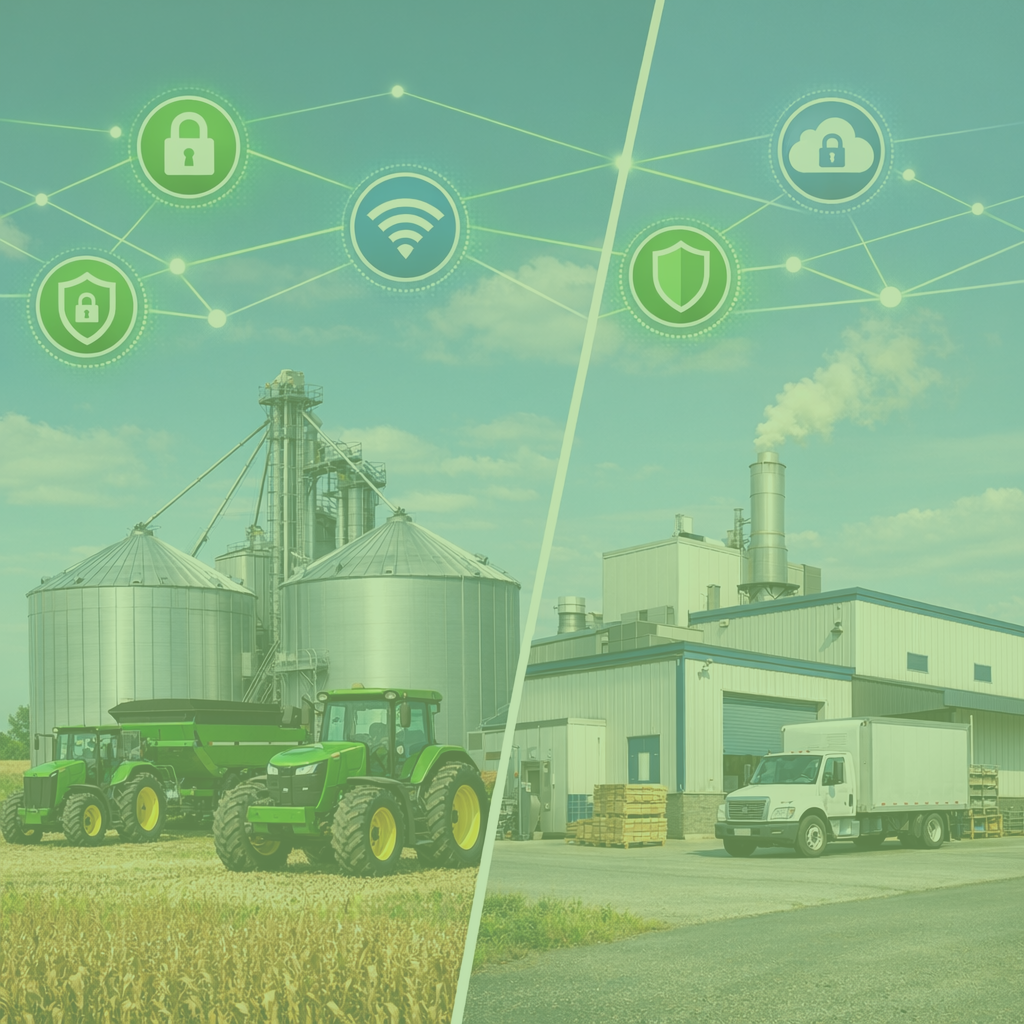
RELIABILITY BUILT FOR HARVEST, PLANT FLOORS, AND EVERYTHING IN BETWEEN.
In the world of agriculture and manufacturing, technology doesn't just live in a carpeted office... it's out in the elements and woven into every season and every shift.
Picture a grain site in late October. It’s 2:00 AM, the air is crisp, and the line of trucks stretches past the gate. Inside the scale house, the screen flickers and goes dark. Suddenly, the "system" that was supposed to make things faster becomes a massive bottleneck. For a General Manager like Mark, this isn’t just a technical glitch; it’s a direct hit to the Co-op’s reputation and a long night for an already exhausted team.
In manufacturing, the story is similar, but the setting changes. Imagine a production line humming along at peak capacity. An automated "security update" triggers a reboot on a legacy controller that hasn't been touched in years. The line stops. For Greg, the IT Director, the next four hours are spent in "firefighting mode," manually bringing systems back online while the plant manager watches the clock and the margin disappears.
In these industries, technology is the heartbeat of the operation. When it fails, the human cost is measured in stress, overtime, and lost trust.
Most Ag and Manufacturing operations rely on a "break-fix" model. You have a problem, you call someone, they fix it, and you get a bill. It feels productive in the moment, but it’s actually a cycle of reacting to the same underlying issues.
That reality makes “always-on” more than a buzzword; it’s the difference between a smooth harvest and a season defined by workarounds. Yet many organizations still operate with a patchwork of vendors and one or two overextended internal staff members. The result is constant firefighting: unpatched systems, undocumented networks, and surprises every time something changes.
When your team is constantly putting out fires, they aren’t looking at the horizon. They aren’t seeing the unpatched server that’s one power surge away from failing, or the backup system that hasn't successfully completed a run in three weeks. This status quo is a "wildcard" cost: unpredictable, expensive, and draining.
Designing for "always-on" reliability starts with acknowledging that the office network is only one small piece of the puzzle. Real work happens in fields, grain facilities, warehouses, and on production lines. Each location adds a layer of risk if it’s not part of a coherent design.
A resilient operating model respects the unique environment of the Heartland:
For those looking for structured guidance, frameworks like the NIST Cybersecurity Framework (CSF) 2.0 offer a roadmap for small manufacturing environments, emphasizing risk-based prioritization and network segmentation. It’s about putting guardrails in place so improvements don't jeopardize uptime.
For leaders in the Heartland, the ROI of a partnership isn't found in a complex spreadsheet of "uptime percentages." It’s found in the quiet moments.
Measuring the impact of a strategic approach falls into three categories:
The goal of a human-centered partnership is to make technology feel invisible. When your systems work the way they should, your people are free to do what they do best. That is the true measure of success: a team that is empowered, an operation that is resilient, and a business that is ready for whatever the next season brings.
Always-On IT isn’t just about servers and switches; it’s about the peace of mind that comes when your team shows up for their shift and the tools they need are ready for them. It’s about a harvest season that runs on schedule and a plant floor that hits its throughput targets without a 2:00 AM crisis. When technology becomes invisible, your people are empowered to do their best work. That is the true goal of a partnership, not just to keep the lights on, but to build a foundation where your operation and the people who power it can truly thrive.
You work hard to keep the Heartland moving. You deserve a partner who works just as hard to protect that progress.

3 min read
SHIELD, ARMOR, OR FORTRESS? In the world of ag co-ops and manufacturing, technology is no longer a luxury. It is the central nervous system of your...

2 min read
FROM SPREADSHEETS TO CONNECTED, AUTOMATED WORKFLOWS Walk through any plant floor, grain elevator, or busy front office in the Midwest, and you’ll...

3 min read
vCIO VS. vCISO In 2026, the line between business strategy and technology strategy has completely disappeared. For organizations leading the way in...

2 min read
THE "SALARY ICEBERG" EFFECT You are looking at your P&L statement, and the "IT Salaries" line item looks reasonable. You have a solid IT Manager in...